Edition: 2023
Pages: 136
Series: IR/L
ISBN: 9788858149348
Pages: 136
Series: IR/L
ISBN: 9788858149348
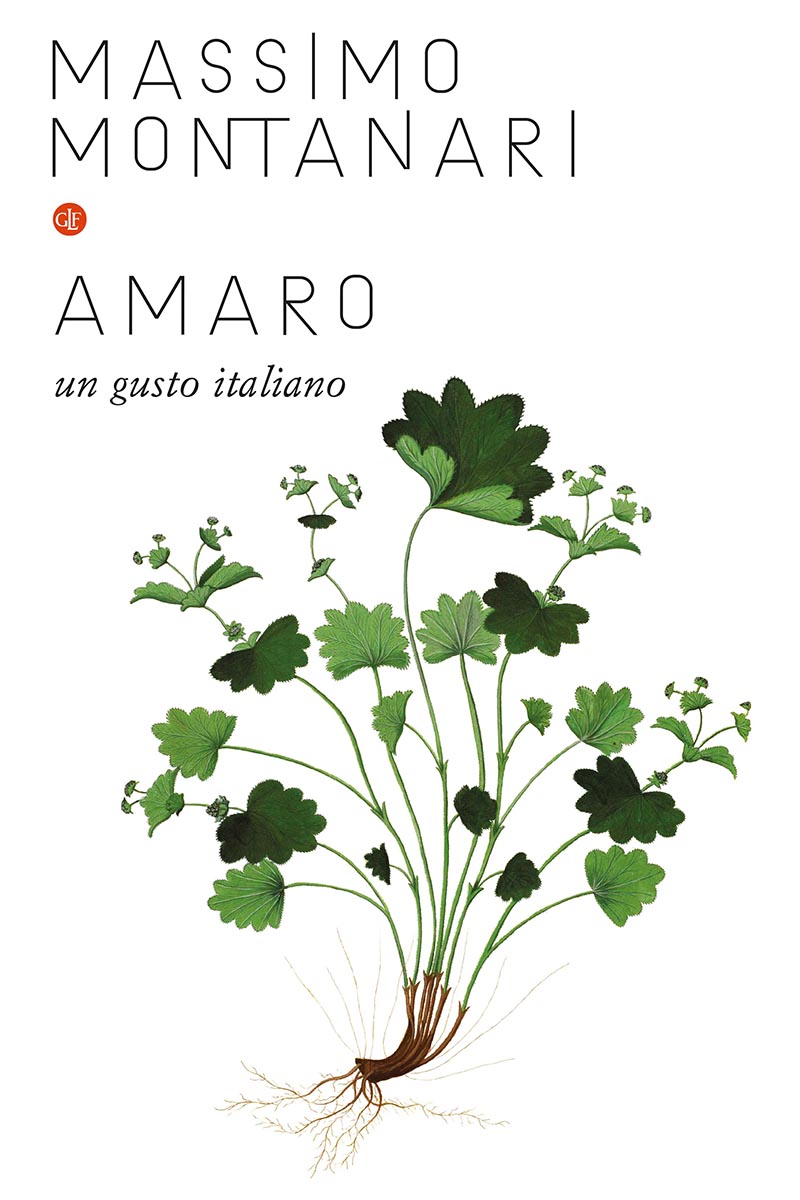
Bitter. An Italian taste
It is said that bitterness is a difficult taste, an ‘adult’ taste, which requires experience and the ability to distinguish different flavours: bitterness has many nuances that it is important to distinguish because some are pleasant, others suspicious and they could even be dangerous. Taste is therefore also, or perhaps above all, a cultural fact, which is why different societies have different tastes. And if we say that ‘Italians’ are particularly accustomed to liking bitter flavours, we are not talking about a natural predisposition but a cultural habit, a product of history. Massimo Montanari, as a historian, thus delves into the complexities of this taste, tracing a distinctive trait typical of ancient, medieval, Renaissance cuisine: that of holding flavours together in recipes of considerable complexity.
The author

Massimo Montanari
Massimo Montanari teaches Medieval History and History of Food at the University of Bologna, where he also directs the Masters in “History and Culture of Food”. His books are widely translated in many languages. His last work Il Mito delle origini. Breve storia degli spaghetti al pomodoro (Laterza, 2019) was a bestseller translated into English, Spanish, Greek, German, Hebrew, Slovenian.
Scopri l'autore